
When dispute resolution scholars and practitioners from Singapore and the Middle East and North Africa (MENA) region gathered at the Shangri-La Hotel in August 2025, they weren’t just exchanging business cards—they were laying the groundwork for a transformative partnership. The SIDRA Forum brought together two dynamic regions to explore how alternative dispute resolution (ADR) can unlock new opportunities for cross-border collaboration and investment.
SIDRA Forum Builds Strategic Bridge Between Singapore and MENA Dispute Resolution Communities
Hosted by the Singapore International Dispute Resolution Academy (SIDRA) at SMU Yong Pung How School of Law, the forum titled “Building Bridges in ADR: MENA meets Singapore” served as a timely platform during Singapore Convention Week 2025. Moreover, with Singapore law firms eyeing expansion into MENA markets and businesses in both regions seeking fresh opportunities, the timing couldn’t have been more strategic.
Shared Foundations Create Natural Partnership Opportunities
Professor Nadja Alexander, Director of SIDRA, opened the forum by highlighting the academy’s data-driven approach to dispute resolution research. “As the interest in dispute resolution continues to grow across this region, we see a real opportunity to work together with our partners in the MENA region,” she explained. Furthermore, the collaboration aims to deepen understanding of why parties choose particular dispute resolution mechanisms and how to improve them.
Dr Emad Hussein, Senior Research Fellow at SIDRA, drew compelling parallels between the two regions. Both Singapore and MENA serve as crucial hubs for goods, services, and people, while sharing common goals of attracting investment and strengthening their gateway roles. “Both have navigated complex legal traditions, both have invested in institutional excellence,” Hussein noted, emphasizing that credibility in legal systems depends not only on laws but on the ability to resolve disputes fairly, quickly, and definitively.
Government Leadership Signals Strong Support
Guest-of-Honour Mr Murali Pillai SC, Senior Minister of State for Law and Transport, delivered a keynote address that underscored the collaborative potential. Unlike zero-sum competition, Pillai emphasized that “the dispute resolution pie is not a zero-sum game. By collaborating with one another, we can grow the pie and increase opportunities for all.”
“Besides the availability of legal services, strong, international ADR institutions also help to attract foreign investments by providing assurances to businesses that when a dispute arises, there will be independent and neutral forums to decide the dispute.”
Pillai highlighted Singapore’s robust ADR ecosystem, anchored by institutions like the Singapore International Arbitration Centre (SIAC) and strengthened by the presence of leading international bodies. These include the International Chamber of Commerce (ICC) Court of Arbitration, American Arbitration Association’s International Centre for Dispute Resolution (AAA-ICDR), and an upcoming Singapore office of the International Centre for Settlement of Investment Disputes (ICSID).
Concrete Partnerships Take Shape
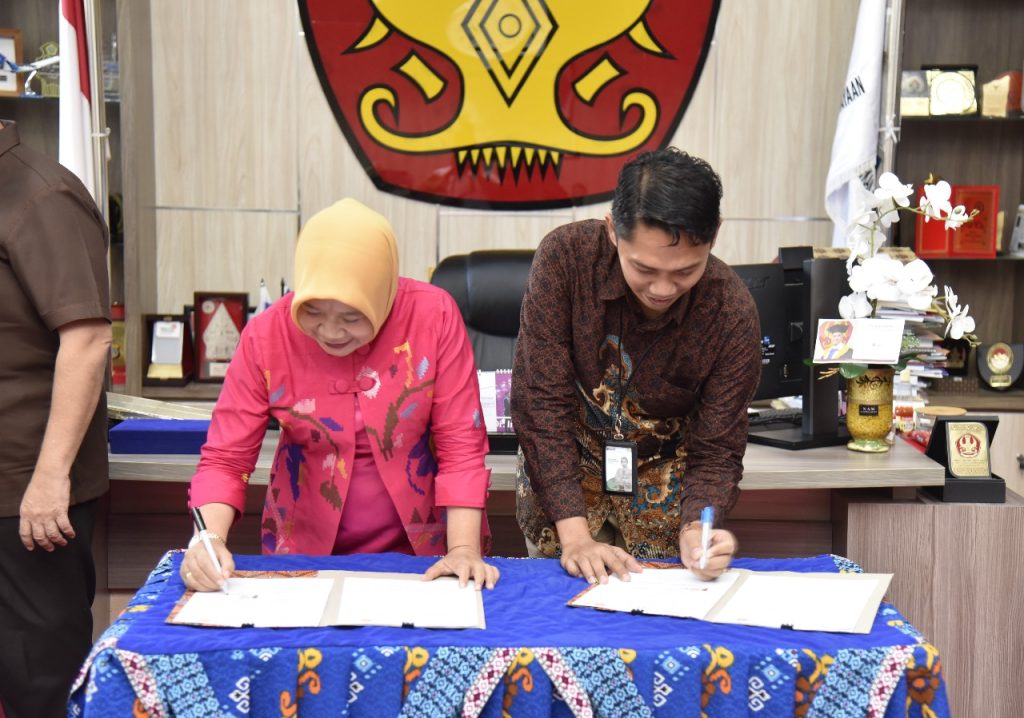
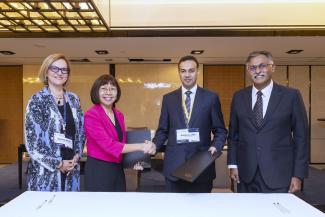
The forum delivered tangible results through new partnerships. SMU Yong Pung How School of Law signed a memorandum of understanding with Omani & Partners LLP to collaborate on seminars, conferences, workshops, research, and capacity-building initiatives. This agreement represents a concrete step toward the knowledge exchange and professional development opportunities that both regions seek.
Expert Panels Address Regional Reform Challenges
Three expert panels examined legislative, judicial, and institutional reforms shaping ADR across the MENA region. The opening panel, “Building ADR Institutions in MENA,” featured distinguished speakers including HE Dr Thani bin Ali Al-Thani from the Qatar International Center for Conciliation & Arbitration, and Professor Marike Paulsson, Secretary General of the Council International Dispute Resolution in Bahrain.
Panellists addressed the persistent challenges facing dispute resolution users: cost, duration, and enforcement. However, they also recognized MENA’s unique advantages, particularly its cultural familiarity and collaborative spirit that position the region as a natural leader in mediation and arbitration. Notably, SIDRA’s Mariam Gotsiridze stressed the critical importance of empirical data in developing effective ADR policies.
Mediation Gains Recognition as Strategic Tool
The discussions revealed a shifting perspective on mediation within the MENA region. Speakers emphasized that mediation should not be viewed as a “soft option” but rather as a powerful win-win tool that preserves business relationships while complementing traditional arbitration processes. This cultural bridge approach leverages MENA’s natural strengths in relationship-based problem-solving.
A Foundation for Future Growth
The SIDRA Forum successfully strengthened institutional ties between Singapore and MENA while reaffirming Singapore’s position as a trusted hub for international dispute resolution. The regions’ shared experiences as gateways to rapidly growing markets, combined with their common investment attraction goals, create a solid foundation for ongoing collaboration. Through fostering dialogue, partnerships, and innovation in alternative dispute resolution, this forum represents a strategic step toward unlocking the vast potential that cross-regional cooperation can deliver for businesses, legal practitioners, and the broader dispute resolution community.