
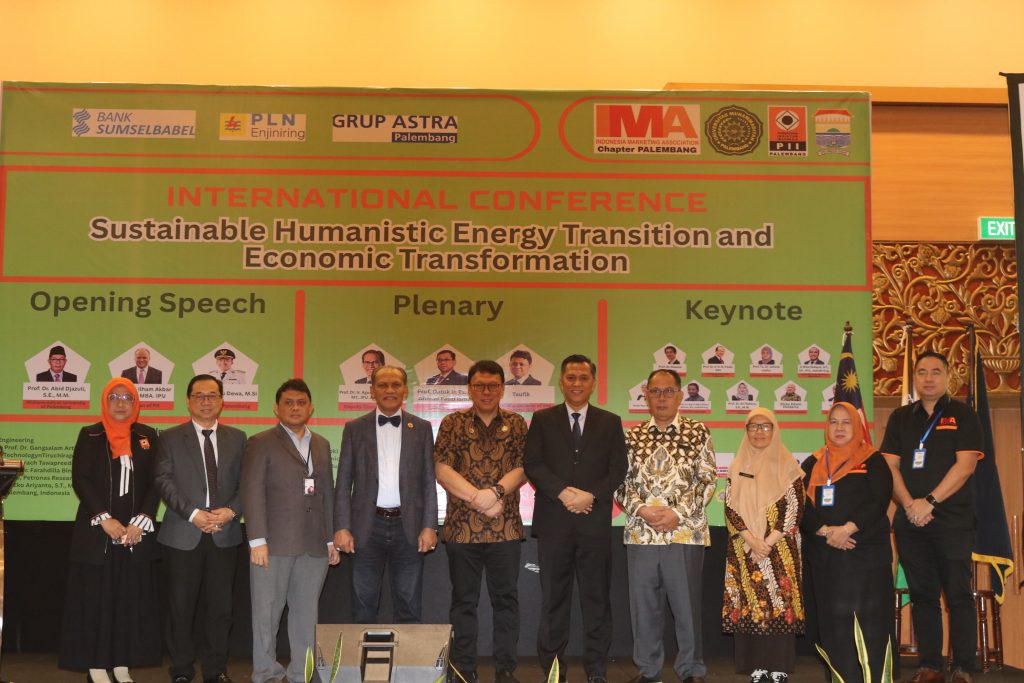
We step into the grand ballroom of Hotel Aryaduta Palembang, where energy experts from across Southeast Asia have gathered for a pivotal discussion. The atmosphere buzzes with anticipation as academics, industry leaders, and policymakers prepare to tackle one of humanity’s most pressing challenges. You can sense the weight of responsibility in the room—these conversations could shape the future of sustainable energy across the region.
Universitas Muhammadiyah Palembang Champions International Sustainable Humanistic Energy Transition
Catalyst
The spark for this groundbreaking initiative emerged from an urgent global reality: dwindling fossil fuel reserves, escalating climate crises, and the desperate need for inclusive renewable energy solutions. Universitas Muhammadiyah Palembang, strengthening its position as an internationally-recognized institution, took decisive action through its Bureau of Cooperation and International Affairs.
Collaborating with the Indonesian Engineers Association (PII) and Indonesian Marketeers Association (IMA) Palembang, the university orchestrated the “International Seminar on Sustainable Humanistic Energy Transition” on Thursday-Friday, October 2-3, 2025.
Distinguished attendees included University Rector Prof. Dr. Abid Djazuli, S.E., M.M., Head of Higher Education Service Institution (LLDIKTI) Region II Prof. Dr. Iskhaq Iskandar, M.Sc., Palembang City Assistant III Ir. Akhmad Bastari, M.T., IPM., ASEAN.Eng., and PLN Engineering’s Vice President of Human Capital Management Riziki Yayu Feberina, among other prominent figures.
Rising Action
The seminar’s theme, “Sustainable Humanistic Energy Transition,” directly addressed mounting global challenges surrounding energy security and environmental sustainability. Energy experts, academics, industry practitioners, and community leaders from domestic and international backgrounds convened at both the Hotel Aryaduta Palembang Ballroom and the 7th Floor Auditorium of KH. Faqih Usman Building at Universitas Muhammadiyah Palembang.
Prof. Dr. Abid Djazuli emphasized in his opening remarks that universities function not merely as educational institutions, but as agents of social transformation. According to him, higher education institutions bear significant responsibility in ensuring energy transition operates beyond technological foundations to embrace humanistic orientations.
“The importance of seeking alternative energy lies in addressing the depletion of fossil fuel reserves, protecting the environment from greenhouse gas emissions, while simultaneously reducing dependence on foreign energy supplies. Alternative energy sources like solar and wind power represent answers for future sustainability,” stated Prof. Abid.
He stressed that energy transition approaches must consider social justice principles. The shift toward clean energy cannot abandon certain community groups, but must deliver collective benefits instead.
Turning Point
The presence of cross-border speakers elevated this seminar to strategic importance.
Notable international experts who participated included Prof. Dr. Ir. Agus Taufik Mulyono from the Institution of Engineers Indonesia, Prof. Datuk Ir. Ts. Dr. Ahmad Fauzi Ismail from Universiti Teknologi Malaysia, Prof. Dr. Masato Tominaga from Saga University Japan, and Prof. Ts. Dr. Juhana Jaafar from Universiti Teknologi Malaysia, alongside other distinguished professionals.
Head of the Bureau of Cooperation and International Affairs, Prof. Ir. Erna Yuliwati, M.T., Ph.D., reported that discussions would extensively examine Indonesia’s renewable energy potential, spanning solar power, wind energy, geothermal resources, and bioenergy. Meanwhile, Indonesia possesses abundant natural resources yet faces substantial implementation challenges including regulation, investment, and public awareness barriers.
Furthermore, experts from India, Thailand, Malaysia, and Singapore participated alongside representatives from IMA and Yayasan Mitra Hijau Indonesia. They shared insights regarding global trends, energy technology innovations, and sustainability strategies across different markets.
Resolution
Prof. Ir. Erna Yuliwati expressed hopes that this international seminar would transcend mere discussion forums to generate actionable recommendations for implementation. The event aligned with the Ministry of Higher Education, Science and Technology’s “Impactful Campus” program, representing Universitas Muhammadiyah Palembang’s concrete contribution toward providing academic solutions for global energy challenges.
Prof. Dr. Iskhaq Iskandar reinforced that transitioning toward renewable energy represents not an option, but an imperative requiring immediate action. He emphasized higher education’s crucial role in supporting carbon emission reduction targets to achieve net zero emissions by 2050.
“Higher education institutions must actively participate, not only through research and innovation, but also in producing graduates capable of leading low-carbon development,” he declared.
Prof. Dr. Iskhaq Iskandar added that future development success depends heavily on generations possessing environmentally-friendly technology knowledge, renewable energy expertise, and comprehensive sustainability understanding.
This collaborative effort between universities, professional associations, and industry stakeholders promises to generate practical recommendations supporting national energy transition agendas. As we move forward, the insights and partnerships forged during this seminar will undoubtedly influence how Southeast Asia approaches sustainable energy development, ensuring that technological advancement serves humanity’s broader interests while protecting our planet for future generations.