
Singapore’s National University of Singapore (NUS) students are about to embark on a groundbreaking journey into artificial intelligence through a revolutionary lab focused on energy efficiency. This innovative initiative promises to bridge the gap between academic learning and real-world AI applications, offering students unprecedented access to cutting-edge technology that’s reshaping how businesses approach sustainability and carbon reduction.
NUS Students Gain AI Exposure Through New Energy Efficiency Lab Partnership
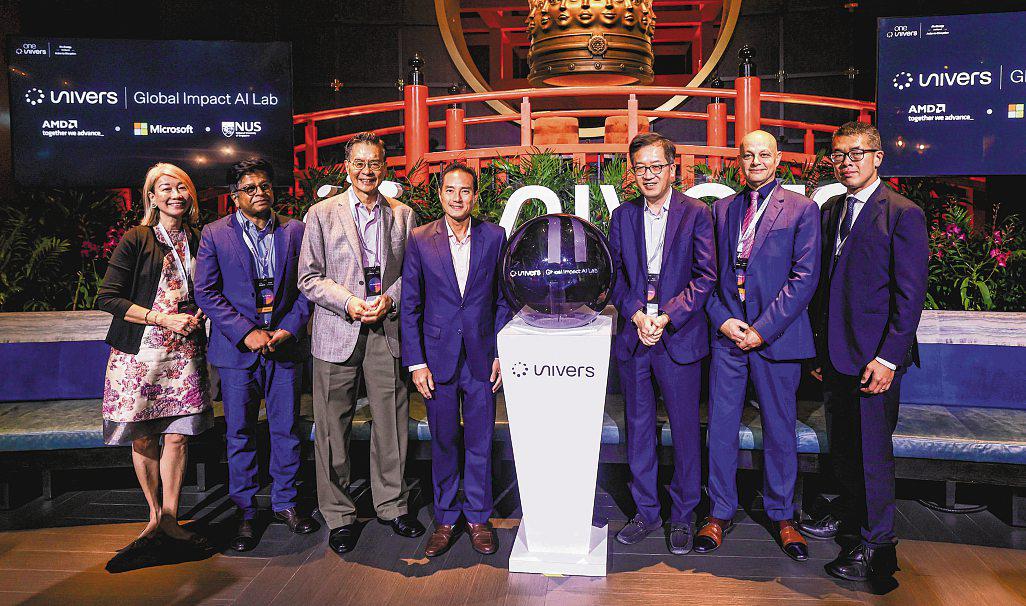
The Global Impact AI Lab, officially launched on October 28 by Singapore-based company Univers, represents a significant milestone in educational technology integration. Moreover, this initiative directly addresses the growing demand for AI expertise in sustainability sectors, providing students with hands-on experience that extends far beyond traditional classroom learning.
Bridging Academia and Industry Through Practical AI Applications
Unlike conventional academic programs, this partnership offers NUS students tangible career pathways through internships and direct industry exposure. The lab’s primary mission centers on helping businesses dramatically cut their energy consumption using sophisticated AI algorithms and machine learning techniques.
Furthermore, students will gain experience in developing solutions that simultaneously tackle multiple business challenges. The technology doesn’t merely focus on energy reduction; it also enhances operational reliability and boosts overall productivity across various industry sectors.
Transforming Critical Infrastructure Sectors
The lab’s impact extends across several vital industries, particularly targeting areas where AI can deliver substantial environmental and economic benefits. Energy and utilities companies stand to benefit significantly through enhanced grid optimization and improved renewable energy performance metrics.
On the flip side, public and enterprise infrastructure sectors will see improvements in building efficiency and facility management. This dual approach ensures students understand both the technical implementation and broader societal implications of AI-driven sustainability solutions.
Strategic Leadership and Industry Collaboration
The launch event at Marina Bay Sands brought together key industry leaders, demonstrating the collaborative nature of this educational initiative. Senior Minister of State for Digital Development and Information, Mr Tan Kiat How, presided over the ceremony, emphasizing the government’s commitment to AI education and sustainable technology development.
Notable attendees included representatives from major technology companies such as Microsoft APAC and AMD, alongside leadership from Univers and NUS Centre for Future-Ready Graduates. This diverse representation underscores the multifaceted approach required for successful AI implementation in energy efficiency projects.
The partnership represents a strategic alignment between educational institutions and industry leaders, creating pathways for students to directly impact global sustainability challenges through artificial intelligence.
Carbon Emissions Reduction Through Advanced Technology
Central to the lab’s mission is the practical application of AI in reducing carbon emissions across various business operations. Students will learn to develop and implement solutions that provide measurable environmental impact while maintaining commercial viability.
Additionally, this focus on sustainability aligns with Singapore’s broader environmental goals and positions graduates at the forefront of the growing green technology sector. The hands-on experience gained through this program will prove invaluable as businesses worldwide increasingly prioritize environmental responsibility alongside profitability.
Preparing Students for Future Energy Challenges
The comprehensive approach adopted by the Global Impact AI Lab ensures students develop both technical competencies and strategic thinking skills. They’ll learn to analyze complex energy systems, identify optimization opportunities, and implement AI-driven solutions that deliver tangible results.
Moreover, the program emphasizes real-world problem-solving, preparing graduates to tackle the evolving challenges facing energy-intensive industries. This practical experience, combined with theoretical knowledge, creates well-rounded professionals capable of driving meaningful change in their future careers.
The launch of the Global Impact AI Lab marks a pivotal moment in educational innovation, demonstrating how strategic partnerships between universities and industry can create meaningful learning opportunities. By providing NUS students with direct access to cutting-edge AI applications in energy efficiency, this initiative not only enhances their educational experience but also contributes to Singapore’s position as a leader in sustainable technology development. As businesses worldwide grapple with environmental challenges and energy costs, graduates from this program will be uniquely positioned to drive the next generation of AI-powered sustainability solutions.