
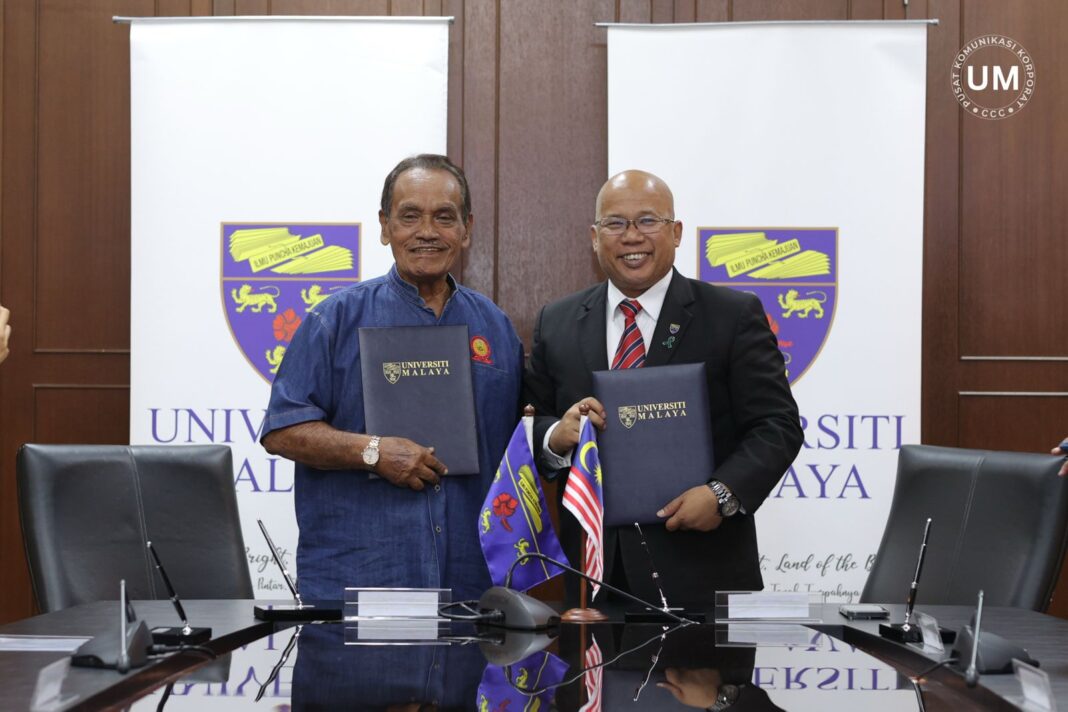
Malaysia’s 2026 Budget emphasizes rural community development and green innovation as national priorities. A groundbreaking collaboration between University of Malaya and Koperasi Wawasan Bukit Mas now establishes the country’s first university-cooperative research center to advance these goals.
**Key Points**
- University of Malaya partners with Koperasi Wawasan Bukit Mas to establish Local Research Center at Danau Tok Uban, Kelantan
- Center focuses on hydrology, solar energy, green technology, aquaculture and agro-tourism research
- Three major research projects target power distribution optimization, floating solar technology, and sustainable aquaculture
- Initiative aims to strengthen cooperative sector as economic catalyst for rural communities
- Model designed for nationwide expansion across other states
University of Malaya and Koperasi Wawasan Bukit Mas Lead Sustainable Development – Advancing 2026 Budget Aspirations
Why does this partnership matter for Malaysia’s development agenda?
The collaboration aligns directly with the government’s focus on strengthening the cooperative sector as an economic catalyst while expanding high-impact research that directly benefits communities. Consequently, the center will function as a local research and innovation hub combining academic expertise with rural community needs.
Government priorities drive university-cooperative collaboration
According to University of Malaya Vice-Chancellor Professor Dato’ Seri Ir. Dr. Noor Azuan Abu Osman, this initiative represents the university’s commitment to supporting the national sustainable development agenda as outlined in the 2026 Budget.
“University of Malaya is committed to ensuring research results can be translated into tangible benefits for the people. The establishment of this center becomes a research platform in hydrology, solar energy, green technology, aquaculture and agro-tourism that has high impact on rural communities,” he stated.
What research initiatives will the center pursue?
The Local Research Center at Danau Tok Uban will implement various studies and community development activities focusing on renewable energy, green technology, agro-tourism and social innovation. Moreover, this effort supports the government’s goal of strengthening collaboration between higher education institutions and the cooperative sector.
Three flagship projects target sustainable solutions
The center will launch three major research projects in Kelantan:
- Optimization of Distribution Power Loss
- Study on controlling water hyacinth growth affecting floating solar operations
- Aquaculture Project with potential to develop sustainable farming-based economic models
The stakes extend beyond economic development to encompass long-term social transformation.
How will this model strengthen cooperative development nationwide?
Koperasi Wawasan Bukit Mas Chairman Tuan Haji Md Eusope Ibrahim describes this cooperation as a significant step in strengthening the local economy and expanding rural community development. Furthermore, he views the partnership as more than an economic driver, calling it a catalyst for social development and community welfare.
Recognition for Malaysia’s Cooperative Commission support
Professor Dato’ Seri Noor Azuan recorded appreciation to the Malaysia Cooperative Commission (SKM) for its solid support toward cooperatives and important role in making this initiative successful. Notably, he characterized this as the best model of cooperation between universities and communities.
The chairman hopes this project will inspire more cooperatives in Malaysia to explore research and innovation fields through collaboration with academic institutions to strengthen local community progress. This aligns with successful university-cooperative partnerships emerging globally.
Bottom Line
This initiative represents a transformative model for university-cooperative-community collaboration that can be expanded to other states, aligned with 2026 Budget aspirations for strengthening inclusive and sustainable development nationwide. The center positions Malaysia at the forefront of integrating academic research with grassroots economic development.
As rural communities increasingly demand practical solutions for sustainable growth, this partnership demonstrates how strategic collaboration between higher education and cooperative sectors can deliver measurable impact while advancing national development priorities.